On August 12, 2024, the Imperial Irrigation District (IID) approved a water conservation deal with the federal government. This deal provides farmers with up to $300/af for reducing water usage either through water conservation on farms, deficit irrigation (halting irrigation for periods of 45-60 days), or fallowing fields. This deal was approved with only a cursory public participation process with one month for public comment on an environmental assessment and a public meeting announced only 24 hours in advance. The environmental assessment did not comprehensively consider the impact on communities and downplayed the significant impact that water use reductions will have on the Salton Sea.
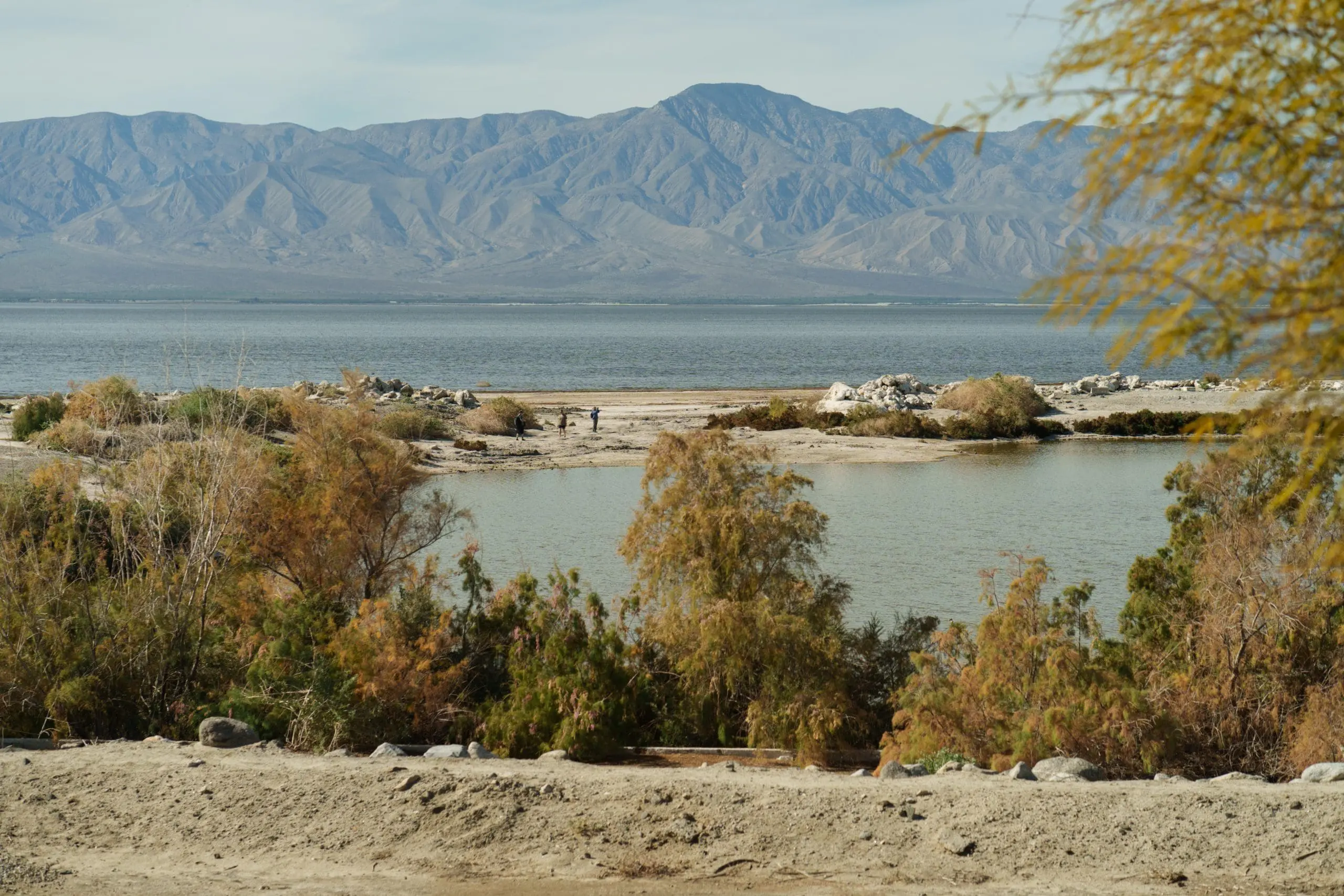
Now, just a month after the signing of the deal, the effects are already apparent, with communities scrambling to adapt amid the resulting challenges (Fig. 1). Water level data collected by the USGS in collaboration with the IID show that during August the Salton Sea declined by ~0.21 inches per day (6.3 inches per month), a significant increase over last year’s large decline of 0.14 inches per day (4.2 inches per month), as seen in Figs. 2 and 3. Even more alarming, the water level rate of decline for September (through Sept. 22, 2024) is 0.215 inches per day (6.45 inches per month), more than twice as large as the rate of decline in September 2023 (Figs. 2 and 3). This extraordinary water level decline will subject residents to even greater exposure to dust and other pollutants from the exposed lakebed. The effects of increased water level decline on harmful gas emissions such as hydrogen sulfide, from both the water and the newly exposed playa, remain unknown.
While farm owners have received compensation for this program, area residents have not received compensation for their loss of work and no additional effort has been made to mitigate the environmental health impacts of this increased shoreline exposure. Consequently, this has led to significant discontent among the communities surrounding the Salton Sea (e.g. Fig. 4).